Crown Reduction in St Johnswood
Professional tree care for homes, gardens, and businesses in St Johnswood
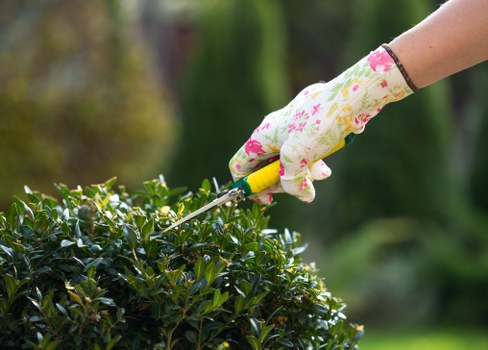
If you are looking for crown reduction in St Johnswood, you are likely dealing with a tree that has become too large for its setting, is affecting light to your property, or needs careful management for safety and appearance. Crown reduction is one of the most practical ways to bring a tree back into balance without removing it entirely, and it is often the right choice for local gardens where space is limited and trees sit close to homes, driveways, boundaries, and neighbouring properties.
In an area like St Johnswood, trees are part of what makes the neighbourhood feel established and attractive. From private residential gardens to shared courtyards, apartment buildings, managed grounds, and small commercial premises, trees often need skilled attention so they continue to add value rather than create problems. A well-planned reduction can improve structure, reduce wind resistance, ease pressure on overextended limbs, and help a tree sit more comfortably in its surroundings.
Our approach is always careful and tailored. We do not treat every tree the same way, because every species, location, and customer need is different. Whether your tree needs a light reduction to restore shape or a more considered reduction to improve clearance and reduce encroachment, the work should be done with an understanding of tree health, local conditions, and the practical realities of working in St Johnswood.
What crown reduction actually does
Crown reduction is the process of shortening selected branches and reducing the overall spread or height of a tree’s canopy while preserving its natural form as much as possible. The aim is not to flatten the top or leave the tree looking heavily cut back. Instead, a skilled arborist reshapes the crown to make it smaller, lighter, and more manageable while keeping the tree healthy and visually attractive.
For many local customers, the service is requested because a tree has grown beyond its original space. In St Johnswood, that can mean branches reaching over a roof, touching a neighbouring fence, shading a patio more than desired, or interfering with access along a path or shared drive. Crown reduction can help solve these issues while avoiding the more drastic option of removal.
A reduction can also be used to improve safety. Trees exposed to wind, heavy foliage, or weak branch attachments may benefit from a lighter canopy. By reducing the length and leverage of selected limbs, the tree may be less likely to suffer breakage during bad weather. This is especially relevant for larger specimen trees and mature trees that have not been managed for some time.
Why local knowledge matters in St Johnswood
Choosing a local team for crown reduction in St Johnswood brings real advantages. This part of London has a mix of elegant residential streets, apartment developments, landscaped communal areas, and older properties where access can be tricky. Trees may be close to front boundaries, hidden behind walls, or positioned in enclosed gardens with limited room for equipment. A local arborist understands how to work safely and efficiently in these kinds of settings.
Local knowledge also helps when planning the work itself. Different streets and property types can create different challenges, from narrow access routes and parking restrictions to shared responsibility for trees near boundary lines. A nearby team is more likely to arrive prepared for these conditions, reducing delays and making the process smoother for you and your neighbours.
It is also easier to keep the work practical. In a busy residential area, customers often want a tidy process with minimal disruption, sensible timing, and careful waste removal. That is where an experienced local service stands out: the job is not just about cutting branches, but about carrying out tree care in a way that suits the realities of the area.
When crown reduction is the right solution

Crown reduction is not needed for every tree, but it can be the right answer in a number of common situations. It is often requested when a tree has become too large for a garden, when branches are too close to a roof or outbuilding, or when the crown is blocking too much daylight from windows, lawns, and planting areas. It can also help if a tree is beginning to dominate the space and unbalance the look of the property.
Another common reason is to manage risk. Trees with extended limbs may catch more wind, create extra strain on joints, or overhang areas used by people, vehicles, or outdoor seating. In the right circumstances, reducing the crown can make the tree easier to manage while still preserving the benefits of having a mature tree on site.
Sometimes customers are not sure whether they need crown reduction, crown thinning, crown lifting, or pruning. A reputable tree care team should be able to explain the difference clearly. Crown reduction in St Johnswood is usually the best choice when the size of the crown itself needs to come down, rather than simply removing deadwood or raising the canopy for clearance.
Common signs your tree may need attention
If you are unsure whether your tree needs work, there are a few common signs that the crown may be too large or too dense for the setting. These do not always mean immediate action is required, but they are useful indicators that an inspection or quotation would be sensible.
- Branches are touching or overhanging the roof, gutters, or windows.
- The tree is shading rooms, gardens, or planting beds more than before.
- There are long limbs reaching out over driveways, paths, or neighbouring boundaries.
- The tree looks unbalanced, top-heavy, or awkward after previous pruning.
- Wind movement causes noticeable strain in the crown.
- Fallen twigs, debris, or leaf drop are becoming difficult to manage.
- The tree is outgrowing its space and beginning to dominate the garden.
If any of these sound familiar, it may be worth arranging a site visit. A proper assessment can determine whether a reduction is appropriate and how much should be removed to keep the tree healthy and attractive.
What is included in a crown reduction service?
A professional crown reduction service should be more than a quick cut. It should involve assessing the tree, deciding what level of reduction is suitable, carrying out the work with proper equipment, and leaving the site tidy afterwards. For local customers in St Johnswood, this kind of structured service is important because gardens and access routes are often close to neighbours, parked vehicles, and footpaths.
Typical work may include:
- Initial inspection of the tree and surrounding area.
- Discussion of the desired outcome and any concerns.
- Selective pruning to reduce height and/or spread.
- Careful shaping to retain a natural outline.
- Removal of dead, weak, or poorly placed branches where appropriate.
- Safe collection and disposal of arisings.
- Clear, tidy finish to the working area.
Depending on the tree, the work may also include additional recommendations such as follow-up maintenance, deadwood removal, or general tree care to support future growth. Good tree work should improve the tree’s relationship with its surroundings, not just shorten it.
How crown reduction is carried out
Every tree is different, but the process normally begins with a careful assessment. The arborist looks at the species, size, condition, recent growth, branch structure, and how the tree sits in the landscape. The aim is to understand what can be reduced without causing unnecessary stress or spoiling the tree’s shape.
Once the plan is clear, selected branches are cut back to suitable growth points. This helps the tree regenerate in a controlled way. Cuts are made with an eye on future growth, not just present appearance. The best results usually come from reducing the canopy evenly, rather than making one side smaller than the other.
After the main pruning work, the tree is checked again to make sure it still looks balanced and the reduction has achieved the intended outcome. Waste is cleared, access areas are tidied, and the customer is left with a tree that is smaller, more proportionate, and easier to live with.
Benefits for St Johnswood homeowners
Many homeowners choose crown reduction because it gives them back useful space without sacrificing the character of a mature tree. In a private garden, a large canopy can make the whole outdoor area feel smaller. Reducing it can restore brightness, create room for planting, and make patios and lawns more enjoyable.
It can also help protect property features. Branches that brush a roof or hang over gutters may contribute to blockages, staining, or wear over time. While a tree does not need to be aggressively cut back to address these issues, a well-judged reduction can often create enough clearance to reduce ongoing pressure on the building.
For families, there is also the practical benefit of making the garden more usable. More daylight, less leaf buildup, and a tidier canopy can make outdoor space feel more open. If you are planning to sell or rent a property, a well-maintained tree can also improve the overall impression of the garden and front approach.
Benefits for landlords, property managers, and businesses
Crown reduction in St Johnswood is not only for private gardens. Many commercial and managed properties need trees kept in check for access, safety, and presentation. Apartment blocks, office entrances, hospitality premises, schools, and communal grounds all have different requirements, but they often share the same need: trees must look good and function well without creating avoidable problems.
For property managers, a reduction can help keep paths clear, reduce overhang into parking areas, and prevent branches from interfering with signage, lighting, or building features. For businesses, a neat tree canopy can support a clean and professional exterior while keeping the site more comfortable for visitors and staff.
In shared developments, tree work sometimes needs to be coordinated around residents or tenants. A local team can help make that easier by working efficiently, communicating clearly about access needs, and keeping disruption to a minimum. That practical support can be just as important as the pruning itself.
What makes a good crown reduction?
A good crown reduction should look natural, proportionate, and thoughtful. It should not leave the tree stubby, lopsided, or heavily cut back to the point where it loses its shape. The aim is to reduce size while respecting the species and the tree’s future growth pattern.
Good results depend on experience, judgement, and a careful eye. The arborist should avoid unnecessary large cuts wherever possible and should work with the tree’s structure, not against it. A well-executed reduction often looks subtle, even though the change in size may be significant.
What customers usually want from the result
Most customers are looking for a balance between improvement and preservation. They want more light, better clearance, and a safer, tidier tree, but they also want the tree to remain healthy and attractive. That is why quality matters so much. A poor reduction can create long-term issues; a careful one can add many more years of value to the tree.
Preparing for your appointment
A little preparation can make crown reduction work go smoothly. You do not need to do anything complicated, but a few simple steps can help the team work efficiently and safely when they arrive at your property.
- Move cars if branches may overhang parking spaces or driveways.
- Unlock gates and ensure access to the garden or communal area.
- Point out any fragile ornaments, lights, cables, or features near the tree.
- Let neighbours know if access or boundary space may be affected.
- Keep pets and children away from the work area during the visit.
- Share any concerns about previous pruning, weak branches, or nearby structures.
These small steps can help the job run more smoothly and reduce delays. If access is tight, it is especially helpful to mention this in advance so the team can plan appropriately.
Access and parking considerations in the local area
St Johnswood can present the kinds of access and parking challenges that are common in established London neighbourhoods. Narrow roads, controlled parking zones, limited turning space, and front gardens with restricted entry are all factors that can influence how a tree job is organised. A local company will usually understand the importance of planning around these details before work begins.
Where access is tight, equipment may need to be carried through a side passage or across a shared path. In some cases, branches may need to be lowered carefully rather than simply dropped. These are the kinds of practical issues that experienced arborists are used to managing, and they are a major reason to choose a team familiar with the area.
For commercial and communal sites, it is also helpful if the team can work in a way that respects residents, visitors, and staff. Good planning makes a big difference to the overall experience, especially when the tree is in a busy or visible location.
Pricing factors to consider
Customers often want to understand what affects the cost of crown reduction before they request a quote. It is best to think of tree work as a tailored service, because several variables can change the amount of time, equipment, and care required.
Common pricing factors include:
- Tree size and overall canopy spread.
- Species and growth habit.
- Access to the tree and surrounding work area.
- Whether the tree is overhanging buildings or boundaries.
- The amount of material that needs to be removed.
- Whether additional work such as deadwood removal is needed.
- Waste removal and site tidying requirements.
It is always sensible to request a site-specific quote. That way, you get a figure based on the actual tree and the actual access conditions, rather than a rough assumption that may not reflect the work involved.
Why choose a local company for crown reduction in St Johnswood?
There are good reasons to choose a local tree care team when your property needs attention. A local company is more likely to understand the style of properties in the area, the common access issues, and the expectations of local residents and businesses. That makes the service more practical from start to finish.
Local teams can also often respond more efficiently to enquiries and site visits. If you are dealing with a tree that is becoming problematic, being able to arrange an assessment without long delays is a real benefit. And because the work is happening in your neighbourhood, it helps to have a team that understands how to work respectfully around nearby homes and shared spaces.
Another advantage is continuity. If your trees need future maintenance, it is useful to work with a company that already knows the site. That can help with longer-term planning, especially for mature trees that may need periodic reduction rather than one-off drastic cutting.
Nearby areas and types of properties we typically serve
St Johnswood is surrounded by a mix of residential and commercial settings, and crown reduction work often extends into nearby parts of north-west London. Depending on the tree and access requirements, local work may involve neighbouring streets and close-by districts where mature trees are common and space needs to be managed carefully.
Typical property types include:
- Private houses with established front or rear gardens.
- Townhouses and period homes with limited side access.
- Apartment buildings with communal planting and shared outdoor space.
- Managed estates and residential developments.
- Schools, clinics, and other institutions with landscaped grounds.
- Small businesses with frontage trees, parking areas, or courtyards.
Because each site is different, the work should always be planned around the individual tree and property layout. That is especially important where branches overhang boundaries or where neighbours may be affected by the work.
Tree health and long-term care
A thoughtful reduction should support the tree’s future, not just solve an immediate issue. Trees are living structures, and the way they are pruned affects how they regrow. That is why it is worth choosing an experienced arborist who understands when a reduction is appropriate and how much is sensible for the species and condition of the tree.
In some cases, a reduction may be combined with other tree care measures over time. These can include periodic inspections, deadwood removal, or follow-up shaping after regrowth has occurred. The goal is to help the tree stay attractive, safe, and manageable within its setting.
If you value the tree and want to keep it for the long term, this careful approach is usually the best route. It gives you the practical benefits of improved size and clearance while preserving the character and environmental value of the tree.
What to expect on the day
On the day of the appointment, the team will usually begin by reviewing the tree and confirming the intended scope of work. If there are any final access details or concerns, these can be discussed before the cutting starts. From there, the pruning work is carried out using safe, appropriate methods for the height, spread, and condition of the tree.
The team will typically work methodically around the crown to create an even result. This may involve using climbing techniques, lowering equipment, or other professional methods depending on the site. Once the reduction is complete, the area is cleared and the tree is left in a neat, finished condition.
For many customers, a clear and tidy finish is just as important as the pruning itself. You want the tree improved without the garden feeling turned upside down, and that is exactly why professional planning and cleanup matter.
Frequently asked questions
How much should a tree be reduced?
That depends on the tree species, its health, and the reason for the work. A proper reduction should be tailored to the tree rather than based on a fixed amount. The aim is to achieve the right balance between improved size and continued health.
Will a crown reduction damage my tree?
When carried out correctly, crown reduction should not damage a healthy tree. In fact, it can improve safety and manage growth more appropriately. Problems are more likely when work is too severe or poorly planned, which is why experience matters.
Is crown reduction the same as topping?
No. Topping is a harsh and generally unsuitable practice that removes large sections in a way that can harm the tree’s structure. Crown reduction is a skilled pruning method that aims to retain shape, support regrowth, and preserve the tree’s overall form.
Do I need permission before tree work is carried out?
Some trees may be protected, or located in areas where permission is required before work can begin. It is always sensible to check the status of the tree before booking any significant pruning. A professional team should be able to advise on this during the enquiry stage.
How often will a tree need reducing?
That varies depending on growth rate, species, and location. Some trees may only need occasional attention, while others in confined urban settings may require more regular management. A local assessment can help set realistic expectations for future maintenance.
Areas covered around St Johnswood
Customers looking for crown reduction in St Johnswood often also need work in nearby neighbourhoods where mature trees, gardens, and managed grounds are common. Service coverage can often extend into surrounding residential and commercial areas, depending on the site and the type of work required.
Nearby or relevant areas may include parts of:
- Maida Vale
- Swiss Cottage
- Primrose Hill
- Camden
- West Hampstead
- Little Venice
- Paddington
If you are not sure whether your property is covered, it is usually worth making an enquiry. The most important factor is often the tree itself, along with access and the level of work needed.
Book your crown reduction service
If your tree is getting too large, affecting light, or causing concern near your property, now is a good time to request an assessment. A properly planned reduction can make a meaningful difference to safety, appearance, and day-to-day enjoyment of your outdoor space.
Contact us today to discuss your tree, ask questions, and arrange a site visit or free quote. If you are ready to move ahead, book your service now and take the first step toward a tidier, more manageable tree.
Whether you need work for a private garden, a communal space, or a commercial property, a local and experienced team can help you choose the right approach and complete the job with care.