Crown thinning in St Johnswood
If you are looking for crown thinning in St Johnswood, you are probably dealing with a tree that has become too dense, too shady, or simply too close to the needs of your home or business. Crown thinning is one of the most practical tree surgery services for properties where light, airflow, and a tidy appearance matter. In a well-kept area like St Johnswood, where mature trees sit alongside elegant homes, apartment blocks, garden squares, schools, and busy streets, the right pruning approach can make a real difference to both the look and the long-term health of a tree.
Unlike heavy reduction work, crown thinning focuses on selectively removing smaller branches from within the canopy. The aim is to reduce density without changing the overall shape too much. That means you can enjoy a lighter, more manageable tree while keeping its natural character. For local customers, this is often the preferred solution when a tree is blocking sunlight from a garden, shedding too much into gutters, or causing the canopy to catch too much wind.
Whether you manage a private garden near the heart of St Johnswood, oversee a residential block, or care for a commercial frontage that needs to stay attractive and safe, crown thinning offers a balanced way to improve tree performance without overcutting. If you are considering tree work and want a result that feels neat, considered, and suitable for a leafy London setting, this service is worth exploring.
What crown thinning means for St Johnswood properties
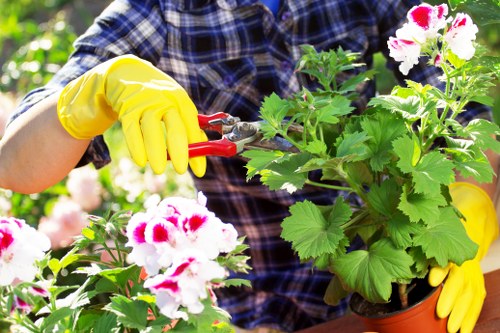
Crown thinning is a specialist pruning method that removes selected branches from throughout the canopy, usually focusing on weak, crossing, rubbing, crowded, or inward-growing growth. A skilled arborist will aim to maintain the tree’s outline while allowing more light and air to pass through the crown. The result is subtle but noticeable: the tree looks cleaner, the canopy moves more freely in the wind, and the garden below often feels brighter and less enclosed.
In St Johnswood, this is especially useful because many properties feature established trees in compact spaces. Front gardens, rear courtyards, communal planting areas, and boundary-adjacent trees can all benefit from careful thinning. Residents often ask for this service when they want to keep a mature tree but need better daylight for lawns, flower beds, patios, balconies, or lower windows. Businesses also benefit where trees soften the appearance of an entrance while still allowing visibility and a well-maintained frontage.
It is important to understand that crown thinning is not the same as topping or aggressive reduction. It should be selective, controlled, and proportionate. Done properly, it supports the tree’s structure and health. Done badly, it can leave a tree looking sparse or stressed. That is why local experience matters: St Johnswood trees often grow in a setting where appearance, neighbour considerations, and planning sensitivity all matter.
Why local customers choose crown thinning
People arrange crown thinning for a range of practical reasons. Often, the tree is healthy enough to keep, but its canopy has become too dense for the space it sits in. In a residential area, that may mean less evening light in the garden, a darker kitchen, or a patio that never quite dries out. In commercial locations, it may mean a shaded shop frontage, blocked signage, or a more enclosed feel for customers and staff.
Another common reason is wind movement. Dense canopies can act like sails, catching gusts more strongly than necessary. A thoughtful thinning can reduce wind resistance and help the crown move more naturally. This can be particularly relevant in exposed spots or where trees stand near roads, pathways, and parking areas. Customers often appreciate that the tree remains in place while becoming easier to live with day to day.
There is also the matter of tree cleanliness and maintenance. Thick crowns can drop more leaf litter, twigs, blossom, fruit, and debris into gutters, driveways, and hard landscaping. By removing some of the interior crowding, the canopy may shed less awkwardly and become easier to manage. For anyone maintaining a property in St Johnswood, this can save time and help the outside space look cared for throughout the year.
How crown thinning is carried out
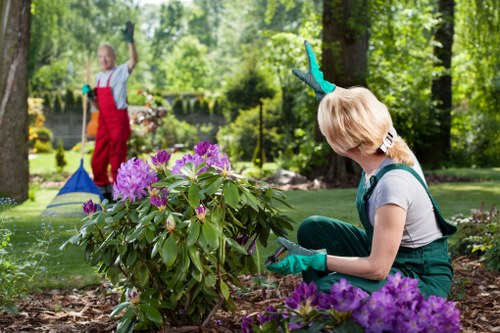
Good crown thinning starts with a proper assessment of the tree. A tree surgeon will look at species, size, age, structure, health, surrounding space, and any obvious defects. Different trees respond differently to pruning, so the work needs to be adapted rather than done by routine. A mature oak, a lime, a sycamore, a plane, or a smaller ornamental species will each need a slightly different approach.
The actual pruning focuses on selective branch removal. The aim is usually to take out a modest percentage of living growth from throughout the crown, not from just one side or from the outer edge alone. A careful arborist will preserve the tree’s balance and avoid leaving large gaps. This is especially important in visible areas where appearance matters, such as front gardens, terraces, and communal spaces in and around St Johnswood.
Best practice also includes making clean cuts at the correct points so the tree can compartmentalise the wound effectively. Bad cuts can create unnecessary stress or increase the risk of decay. A well-executed thinning should look almost invisible from a distance while still making the canopy feel lighter and less congested. That is why customers who want the tree to remain attractive generally prefer a measured, professional service.
What is included in a professional service
When you arrange crown thinning in St Johnswood, it helps to know what a proper service should involve. A dependable tree team will not just turn up and start cutting. They should first understand your goals, inspect the tree, and explain what level of thinning is suitable. That may include identifying branches that are overcrowded, crossing, damaged, or poorly positioned in relation to buildings, fences, wires, driveways, or neighbouring plots.
A typical service may include:
- Initial assessment of tree condition and canopy density
- Discussion of the desired result and likely impact on light or appearance
- Selective removal of interior branches and unwanted growth
- Safe handling of cut material and tidy completion of the work
- Advice on follow-up care or future maintenance intervals
Many local customers also want reassurance that the job will be completed with respect for the property. That means careful movement around lawns, planting beds, paving, fencing, and parked vehicles. In St Johnswood, where access can sometimes be tighter than people expect, a tidy and organised work method is especially valuable. If equipment needs to be moved through shared accessways or narrow side passages, the team should plan this properly in advance.
For households and businesses alike, the best tree work feels orderly, controlled, and easy to live with afterwards.
Why crown thinning suits St Johnswood so well
St Johnswood has a character that makes tree care feel particularly important. The area includes attractive residential streets, larger homes, converted buildings, and landscaped communal settings where mature trees contribute heavily to the atmosphere. People here often value greenery, but they also want usability, light, and a neat finish. Crown thinning fits that balance very well.
It is a sensible option for properties where trees sit close to windows and upper floors. It can help brighten living rooms, home offices, kitchens, and bedrooms without removing the tree entirely. It is also suitable where branches are encroaching on neighbouring spaces or where a tree’s density is making a garden feel smaller than it really is. For landlords, managing agents, and business owners, the service can help keep external areas presentable and safe without creating an overly harsh look.
In a local setting, it also helps that an experienced team understands the practical realities of working in and around the area. Parking may need planning. Access may be restricted by terraces, garden walls, or shared entrances. Tree work may need to be completed with minimal disruption to neighbours, tenants, pedestrians, or customers. A local company used to St Johnswood can factor these details into the job from the start, which keeps things smoother for everyone involved.
Signs your tree may need thinning
Not every dense tree needs attention immediately, but there are some common signs that crown thinning may be the right step. If you notice any of the following, it may be worth arranging an inspection:
- The crown is noticeably thick and blocks a lot of natural light
- Branches are rubbing, crossing, or growing inward
- The canopy catches wind and moves heavily in breezy weather
- Leaves and small debris are dropping into gutters or onto hard surfaces
- The tree is shading lawns, flower beds, or patios more than you want
- Nearby windows, balconies, or paths are starting to feel enclosed
- The tree looks healthy overall but a little overgrown in the crown
Sometimes the issue is not one dramatic problem but a collection of smaller ones. A tree may still be a beautiful feature of the garden while creating daily inconveniences. That is where selective pruning can be especially helpful. Rather than removing the tree or making a severe cut, the crown can be refined to work better with the space around it.
For many St Johnswood homeowners, crown thinning is the most balanced answer: enough change to make a difference, but not so much that the tree loses its presence.
Residential crown thinning for homes and gardens
Residential customers often ask for crown thinning because they want more usable outdoor space. In St Johnswood, gardens are often cherished as an extension of the home, especially where people host friends, enjoy family time, or simply want a quieter, brighter outlook. Dense trees can be lovely, but they can also make a garden feel cooler and darker than preferred. Thinning the crown can improve light levels while keeping the tree attractive and mature-looking.
For smaller gardens, the effect can be noticeable almost immediately. Lawn areas can become healthier with a little more sun. Seating areas may feel less enclosed. Flowering plants and shrubs beneath the tree often benefit from the improved light. Even inside the home, the change can make rooms brighter and more comfortable during daytime hours.
Residents in flats, maisonettes, and converted buildings may also use this service for trees close to communal outdoor areas or boundary lines. Where several households share a view or a space, a professional and proportionate result helps keep everyone happy. The work can be tailored to reduce dense growth without making the tree look overworked or unbalanced from one angle.
Common residential situations
- Back gardens with limited afternoon light
- Front gardens where branches overhang paths or driveways
- Boundary trees near neighbouring properties
- Large mature trees that have become too shaded at the base
- Ornamental trees needing light refinement rather than major reduction
Commercial and managed property tree care
Commercial customers in and around St Johnswood also benefit from crown thinning. Offices, clinics, hospitality venues, small retail units, and managed residential buildings often need outdoor areas that look tidy and are easy to access. Trees can add character and privacy, but if the canopy becomes too dense, it may reduce visibility, make entrances feel dark, or interfere with a neat presentation.
For managing agents and facilities teams, the practical benefits matter just as much as appearance. A thinned crown may reduce the chance of low light-related dampness on facades or pathways, help maintain a more welcoming approach, and make routine upkeep easier. It can also support safer movement around entrances, parking bays, delivery areas, and shared walkways by reducing encroachment.
Where trees sit close to commercial signage, upper-floor windows, or access points, the service can be customised to preserve key sightlines. That way the site still feels green and established, but without being overgrown or awkward to navigate. A local tree surgery team with experience of mixed-use and managed properties can plan the work with minimal interruption to day-to-day activity.
Preparing for the work
Good preparation helps everything run smoothly on the day. If you are arranging crown thinning, there are a few simple steps that can make the visit easier:
- Clear access to the tree where possible, including garden furniture or movable items.
- Let the team know about any tight access, shared entrances, or parking restrictions.
- Keep pets and children away from the work area while pruning is taking place.
- Identify anything fragile nearby, such as ornaments, potted plants, or decorative lighting.
- Discuss whether you want arisings removed or if there are any site-specific restrictions.
- If the tree is near neighbouring land, consider whether advance notice to others may help.
In St Johnswood, access can be straightforward in some homes and more challenging in others. Narrow side passages, shared rear access, basement-level gardens, and limited roadside parking are all common realities. A local service is useful because it can plan around these conditions, rather than treating every property as though it has the same layout.
When the setup is organised well, the pruning itself usually feels quicker, safer, and less disruptive.
What affects the price of crown thinning
Customers often want to understand what influences the cost of a tree surgery job, even if they are only at the enquiry stage. While exact pricing depends on the specific tree and site, the main factors usually include:
- The size and height of the tree
- The species and density of the crown
- How easy it is to reach the tree
- Whether the work needs specialist access or careful sectional pruning
- The amount of waste created and how it must be removed
- Any nearby obstacles such as buildings, walls, fences, or utilities
- Whether the tree is one of several on the same property
A mature tree with a dense crown in a difficult-to-access rear garden may take longer than a smaller tree in an open front drive. Similarly, work in a shared courtyard or alongside busy pedestrian routes may require more planning. A reliable local company should explain these factors clearly so you can understand what is involved before booking.
If you are comparing options, focus on the clarity of the assessment, the realism of the approach, and the care shown for the tree and property. The best value is not always the cheapest quote; it is the service that suits your tree properly and leaves you with the result you wanted.
Why choose a local company in St Johnswood
Choosing a local team for crown thinning in St Johnswood has several practical advantages. First, local arborists are more likely to understand the types of properties in the area, from traditional houses with established gardens to larger developments and commercial premises. That familiarity helps them plan around access, parking, neighbours, and the need for a neat finish.
Second, local knowledge helps with tree behaviour. Different streets and settings create different growing conditions. A tree in a sheltered courtyard behaves differently from one on an exposed boundary or beside a busy road. An experienced local team can take those circumstances into account when deciding how much thinning is appropriate.
Third, a local service can often arrange site visits and work scheduling more conveniently. That matters for people juggling family routines, tenant schedules, business hours, or property management tasks. When a tree service works efficiently and communicates clearly, the whole process feels less disruptive and easier to manage.
Local areas and nearby places often covered
Customers in St Johnswood often also need tree work in nearby areas such as St John’s Wood, Maida Vale, Marylebone, Regent’s Park, Kilburn, South Hampstead, Swiss Cottage, and Paddington. Work may also be requested for streets and properties close to these neighbourhoods where mature trees and limited access are common. A nearby team is often best placed to respond quickly and plan the job realistically.
How the service works from first enquiry to completion
For most customers, the process is straightforward. It usually begins with a discussion about the tree, your concerns, and what you want the canopy to achieve. After that, the tree may be inspected so the work can be tailored properly. This step is particularly important if the tree is large, near a building, or showing signs of stress.
Once the plan is agreed, the team carries out the pruning using appropriate tools and safe working methods. Branches are removed carefully, and the canopy is checked as the work progresses to make sure the balance remains right. A good team will not just stop when enough branches have been removed; they will step back, assess the overall shape, and refine the result so it looks natural.
After the pruning, the site should be left tidy and ready to use. For many homeowners, this is one of the most appreciated parts of the service. Nobody wants extra disruption after tree work, especially in busy residential areas. Tidy completion, waste handling, and respect for the surrounding property all matter just as much as the pruning itself.
Typical customer journey
- Share your tree concerns and desired outcome
- Arrange a visit or assessment if needed
- Receive a clear explanation of the proposed thinning
- Book a suitable time for the work to be completed
- Enjoy a lighter, more manageable canopy afterwards
What to expect after crown thinning
After the work is complete, many customers notice more daylight, improved airflow, and a more open feel around the tree. The change is often subtle enough to preserve the tree’s character while making the surroundings more comfortable. In a garden, that may mean more usable seating space or healthier underplanting. On a commercial site, it may mean a brighter frontage and a more welcoming external appearance.
The tree may also respond better to future weather. While no pruning can eliminate wind effects entirely, a reduced crown density can help the canopy move more freely. This can be reassuring where trees are tall or sit close to structures. A well-pruned tree should still look full enough to feel established, but no longer overly heavy or congested.
Ongoing care may still be needed from time to time. Trees grow back, and crown density can increase again over the years. The right interval depends on the species, age, and site conditions. A local arborist can suggest when a follow-up check might be useful so you can keep the tree in good condition without unnecessary work.
Frequently asked questions
Is crown thinning suitable for all trees?
Not every tree is an ideal candidate. Some species and some structural conditions require a different approach, or a more conservative level of pruning. A proper assessment helps determine whether thinning is the best choice.
Will crown thinning damage the tree?
When done professionally and in moderation, it should not damage a healthy tree. In fact, careful thinning can improve structure and reduce crowding. Over-pruning or poor cutting methods are the real risks, which is why the work should be handled by experienced tree surgeons.
How much of the crown can be removed?
That depends on the tree, its condition, and the aim of the work. The amount should always be chosen carefully rather than applied as a fixed rule. The goal is a balanced canopy, not a bare-looking tree.
Will I need permission before the work starts?
Sometimes permission or checks may be needed if the tree is protected or in a sensitive area. If you are unsure, it is worth asking before arranging work. A professional team can advise on the steps that may apply to your property.
Can crown thinning improve light in my garden?
Yes, that is one of the main reasons customers request it. By reducing density inside the canopy, more daylight can reach the ground and nearby rooms. The effect varies depending on the tree species and its position.
Do you work on both private and managed properties?
Yes, crown thinning is suitable for private homes, flats, communal gardens, commercial premises, and managed estates where trees need to look tidy and function well in the space available.
Ready to improve your trees?
If a dense canopy is making your property feel darker, more crowded, or harder to maintain, crown thinning could be the right solution. It is a practical, attractive way to keep a tree while making it better suited to everyday use. For homeowners, landlords, managing agents, and local businesses in and around St Johnswood, it is a service that brings genuine day-to-day benefits.
Contact us today to discuss your tree, request a free quote, or book your service now. If you want a lighter canopy, a tidier appearance, and a more comfortable outdoor space, a professional crown thinning service can help you achieve it with care and precision.
For a tree that still looks natural but works better for your property, crown thinning is often the ideal next step.